
Understanding Player Motivation
At the heart of casino game design lies a complex understanding of player motivation. Designers delve into psychological principles such as the desire for excitement, the thrill of risk, and the allure of potential rewards. Players often enter casinos seeking not just financial gain, but also a break from reality, social interaction, and a rush of adrenaline, especially when they discover platforms like 1win that cater to these experiences. By tapping into these motivations, game designers create environments that enhance player engagement and satisfaction.
Furthermore, the concept of “near misses,” where players come close to winning but do not, plays a significant role in maintaining the excitement. This phenomenon creates a psychological urge to keep playing, reinforcing the idea that a win is just around the corner. Casino games are often designed to exploit this tendency, encouraging players to continue their gaming sessions longer than they originally intended. The strategic placement of these near-win scenarios adds to the thrill and keeps players coming back.
Additionally, understanding how different types of players approach games—whether they prefer low-risk, high-reward scenarios or enjoy taking chances for a greater payout—is crucial. Game designers study player demographics, including age, culture, and prior gaming experiences, to tailor their designs. This analysis helps craft games that resonate with specific groups, ensuring an engaging experience that caters to varied preferences.
The Role of Sound and Visual Elements
Sound and visual elements are integral components of casino game design that significantly influence players’ experiences. The use of bright colors, captivating graphics, and engaging animations attracts attention and creates an inviting atmosphere. Designers often employ specific color theories to evoke emotions; for instance, red may invoke excitement, while blue can instill a sense of calm. By carefully selecting these elements, casinos aim to manipulate the overall mood and increase dwell time within their gaming spaces.
Sensory stimuli do not stop at visuals, as sound plays a pivotal role in shaping player behavior. The delightful sounds of coins falling, the chime of winning, and upbeat music are meticulously chosen to enhance the thrill of the gameplay. These auditory cues can trigger emotional responses and lead to repetitive behaviors, keeping players engaged. Designers understand that a well-orchestrated soundtrack can elevate a player’s experience, creating a more immersive environment that encourages extended play and increases the likelihood of returning visits.

Moreover, the transition between wins and losses is often accompanied by unique sound effects that either celebrate a victory or cushion the blow of a loss. This dynamic helps players navigate their emotions and often keeps them hopeful, despite the natural ebb and flow of wins. The alignment of auditory and visual elements work together to create a multi-sensory experience that isn’t just engaging but also psychologically compelling.
Game Mechanics and Rewards Systems
The mechanics of casino games are meticulously crafted to create a sense of fairness while maintaining the house edge. Game designers utilize a variety of reward systems, including random number generators and pay tables, to ensure excitement. By offering various payout structures and bonuses, designers aim to appeal to a wide range of player preferences. The anticipation of winning, combined with the strategic placement of high-payout opportunities, keeps players engaged and invested in the game.
Incorporating elements like progressive jackpots or bonus rounds can also heighten excitement. These features create a sense of community, as players can see the jackpot grow and feel a connection to others vying for the same prize. This social aspect fosters a competitive environment that further drives play, with players often motivated by the idea that they could claim a life-changing sum. Understanding how these mechanics resonate with players is essential in creating games that not only attract but retain eager participants.
Additionally, the importance of balance in game design cannot be overlooked. Designers must ensure that while the games appear enticingly rewarding, the odds are still stacked in favor of the casino. Striking this balance is critical; too many rewards can lead to unsustainable player expectations, while too few can deter engagement. The psychology behind reward mechanics is a delicate dance that game designers must carefully choreograph to maintain player interest while ensuring profitability.
The Influence of Environment and Layout
The physical environment in which casino games are played has a profound psychological impact on player behavior. Designers carefully consider layout, lighting, and even the scent of the space to enhance the gaming experience. Optimizing the flow of traffic through the casino ensures that players are continually drawn toward various games and attractions, creating an environment where players feel enveloped in excitement. Effective layouts can keep players moving within the venue, promoting exploration and extended playtime.
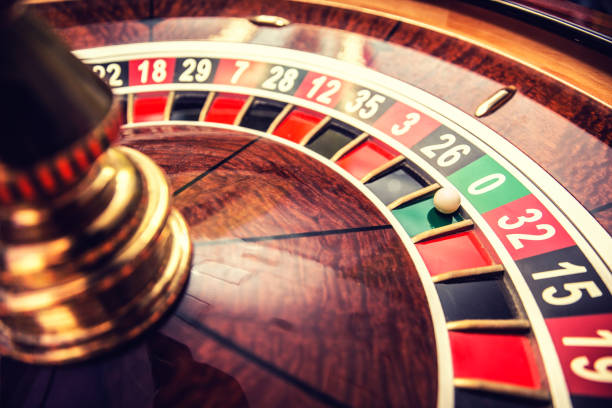
Moreover, the reduction of time perception is a deliberate tactic employed by casino designers. By creating environments that are visually stimulating and disorienting—often through the absence of windows and clocks—players lose track of time, leading to longer gaming sessions. This manipulation of time perception plays a significant role in maximizing both player enjoyment and the potential revenue generated by each player. The entire casino experience is designed to keep players inside and engaged for as long as possible.
Finally, social elements such as proximity to other players can also influence gaming behavior. Creating areas where players can congregate fosters a sense of community, encouraging interaction and increasing the likelihood of return visits. The importance of camaraderie and competition cannot be underestimated; the excitement experienced by one player can easily influence others around them. Recognizing and leveraging these social dynamics is key to crafting environments that keep players coming back for more.
Conclusion: The Future of Game Design in Casinos
The future of casino game design promises to be even more intertwined with psychological principles as technology continues to evolve. With the rise of virtual reality and augmented reality gaming, the potential to create more immersive experiences is limitless. Designers will likely rely on deeper psychological insights to enhance player engagement and satisfaction. As they explore new boundaries in gaming, understanding the psychological aspects of player behavior will remain critical.
Furthermore, the integration of data analytics will allow for more personalized gaming experiences. By understanding individual player behaviors and preferences, casinos can tailor their offerings, ensuring players find exactly what they are looking for. This level of personalization could lead to more meaningful interactions and improved loyalty, as players feel recognized and valued within the gaming ecosystem.
As the industry continues to adapt, responsible gaming will also play an increasingly pivotal role. Game designers and casinos will need to strike a balance between enticing gameplay and ethical responsibility toward players. By prioritizing player well-being alongside entertainment, the future of casino gaming can remain enjoyable and sustainable, fostering a more positive environment for all involved.
